The Future of Multi-Chip Module (MCM) GPUs: Revolutionizing Graphics Performance
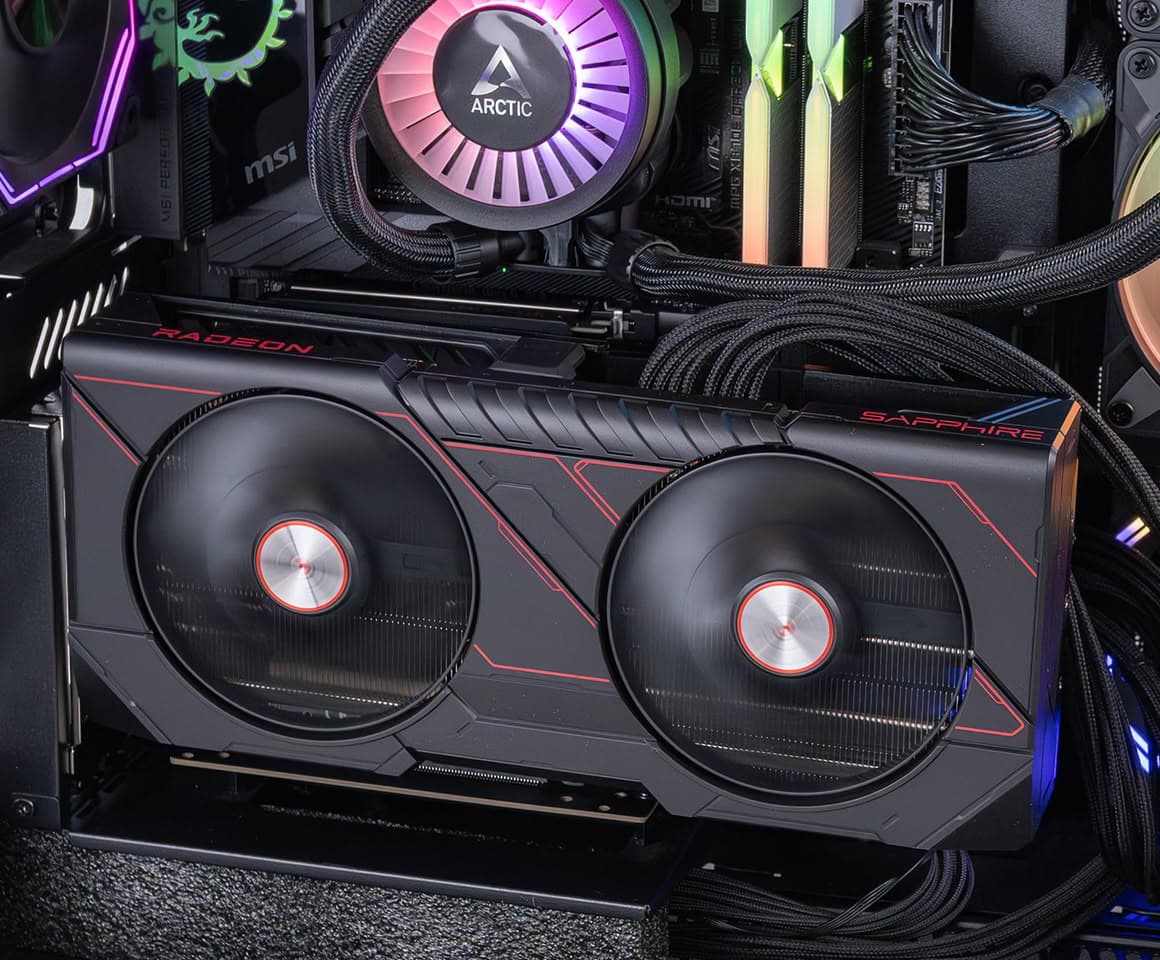
The Shift to Multi-Chip Module Architecture
Graphics cards have long been the heart of any gaming or creative rig, but as we've moved further into 2026, the traditional single-chip GPU is seeing some fierce competition from Multi-Chip Module (MCM) designs. Sure, they sound a bit like something you'd find in a space shuttle, but these are set to be the future of graphics processing.
MCM architecture essentially allows several GPU 'chiplets' to work together on a single graphics card. This approach can lead to increased performance and efficiency, potentially offering more bang for your buck—or Euro, as it may be in our neck of the woods.
Why MCM GPUs Make Sense
In recent reports from TechPowerUp, we've seen a 10% increase in PC GPU shipments, despite record-high prices. The demand is there, and MCM could be the answer to getting more performance without heating up the entire house—well, not too much, anyway.
This modular approach allows manufacturers to use smaller, more efficient chiplets that can be produced at lower costs. In theory, this might mean we could eventually see a drop in those eye-watering price tags we've become used to. With GPUs often costing as much as a nice holiday abroad, this shift could lead to more accessible high-end graphics solutions.
Performance and Power Considerations
Now, you might be thinking, "That sounds all well and good, but what about power consumption?" Fair question. According to Tom's Hardware, enthusiasts have noted that the upcoming RTX 5090 might push past 600W, melting connectors like a chocolate bar in a sunbeam. While MCM GPUs can offer better performance, manufacturers will need to tackle the issue of power draw.
However, with advancements in neural rendering tech and frameworks like DLSS 5, which add up to 50% more power draw in some testing scenarios, smarter power management solutions are bound to come into play. It’s an exciting time for tech, as these developments could pave the way for more energy-efficient designs.
The Future Looks Bright (and Fast)
Looking ahead, the shift to MCM GPUs is likely to have a profound impact on both gaming and professional graphics work. With the potential for greater performance leaps and possibly more competitive pricing, these innovations could be a game-changer.
As more companies jump on board and refine their MCM strategies, we could see a whole new era in graphics performance. So, whether you're trying to get the most out of your Crysis remaster or rendering high-resolution video, MCM might just be the technology that makes it all the more grand.
Related Articles

In-memory computing is set to transform CPU and GPU designs.